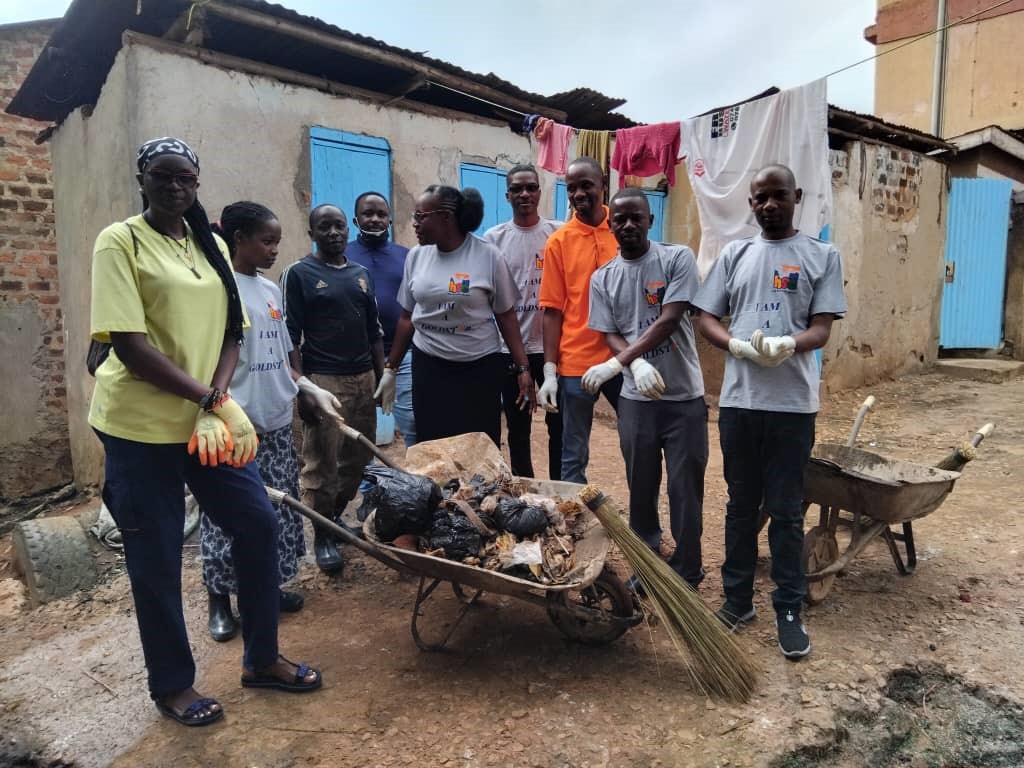
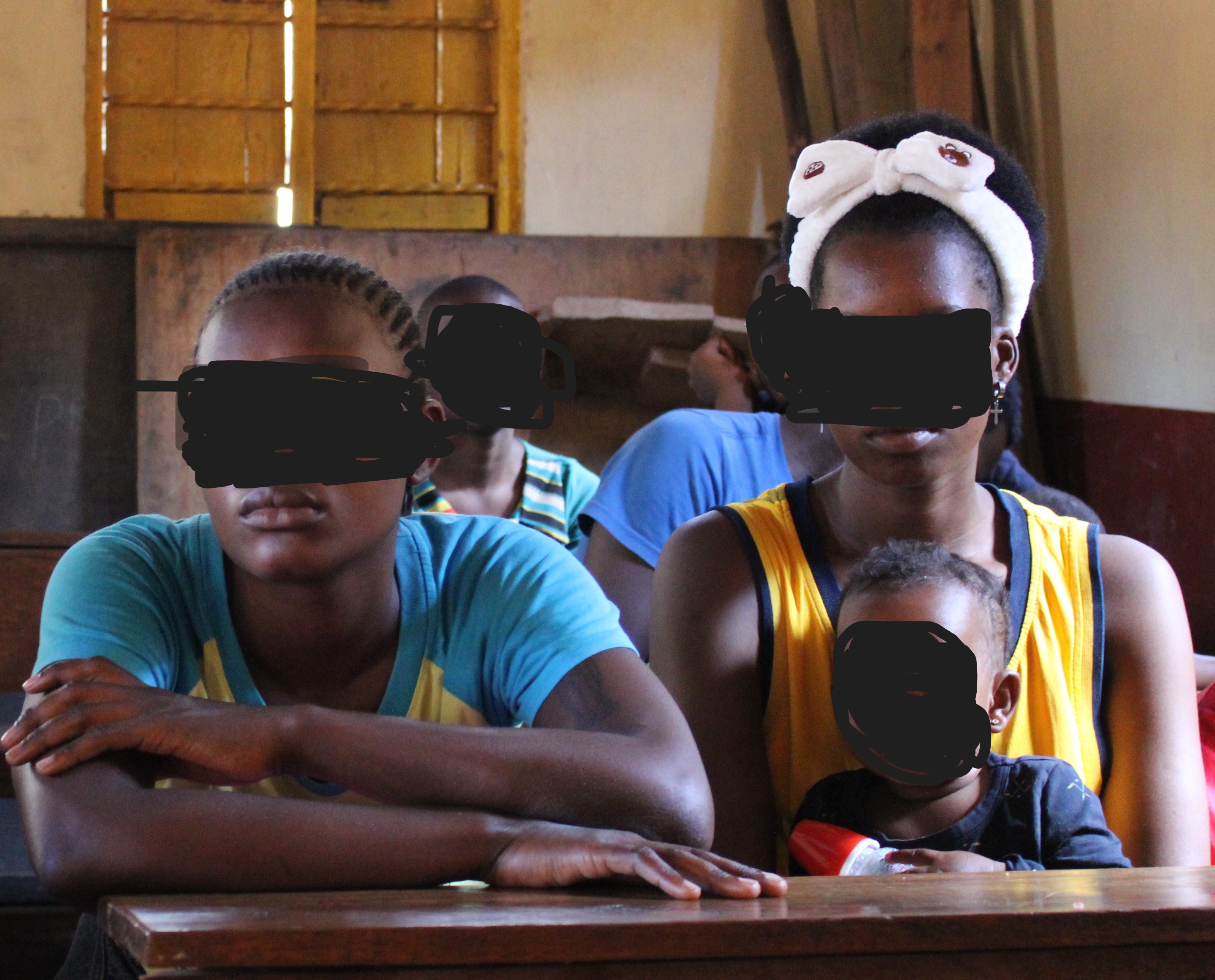
Victims of child marriages and early pregnancies have found renewed hope as they pursue purposeful lives.
Between 2019 and 2022, reports from various stakeholders in Uganda revealed a troubling trend after COVID 19 pandemic forced schools to close. This disruption disproportionately affected girls, leading to a significant increase in teenage pregnancies across the country.
In response, High Sound for children has been providing counselling and limited support to young mothers, assisting over 50 individuals so far.
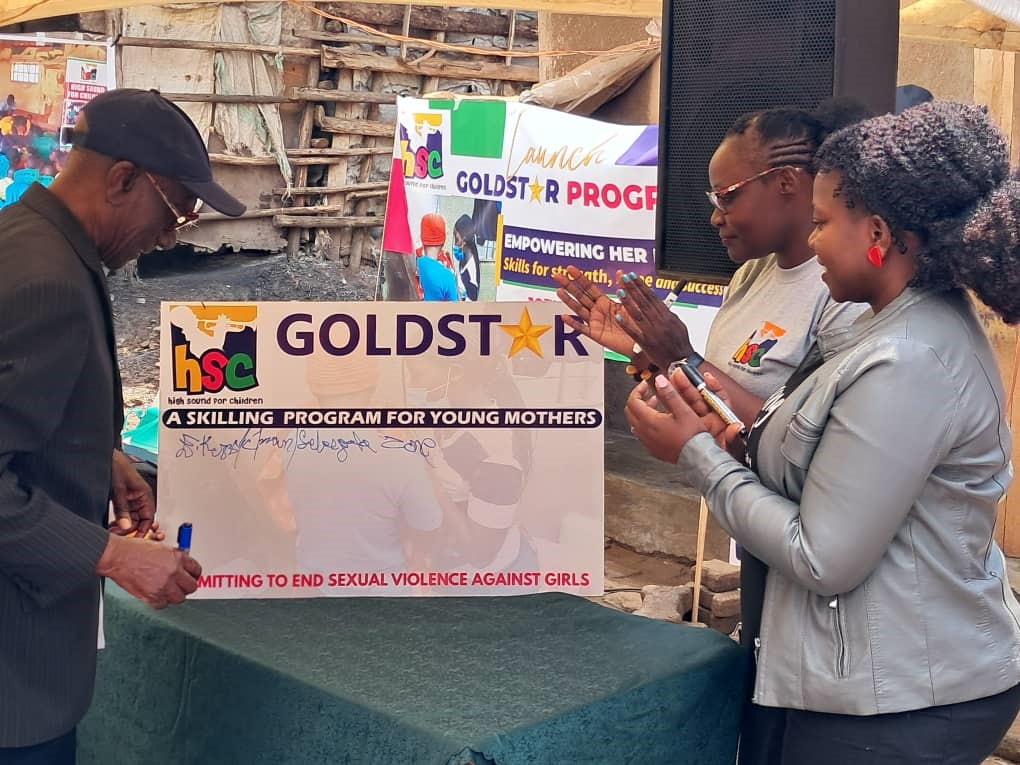
On Saturday 10th-August-2024, as part of its celebrations to mark five years of amplifying voices of children through the media, High Sound for Children launched the Gold Star Skilling Program for Teenage Mothers in Kawempe for a comprehensive intervention to support mothers with economic survival skills.
During the launch, Ms. Anabel Nakabiri, Executive Director of Remnant Generation and a survivor of child sexual violence, encouraged young mothers to believe in themselves and to never lose hope. “We are indeed Gold Stars. Someone may come to support you, but change always starts with you. You must remember that God created you for a purpose. You are carrying something special inside you, whether you have one child or two,” she said, addressing the program's beneficiaries.
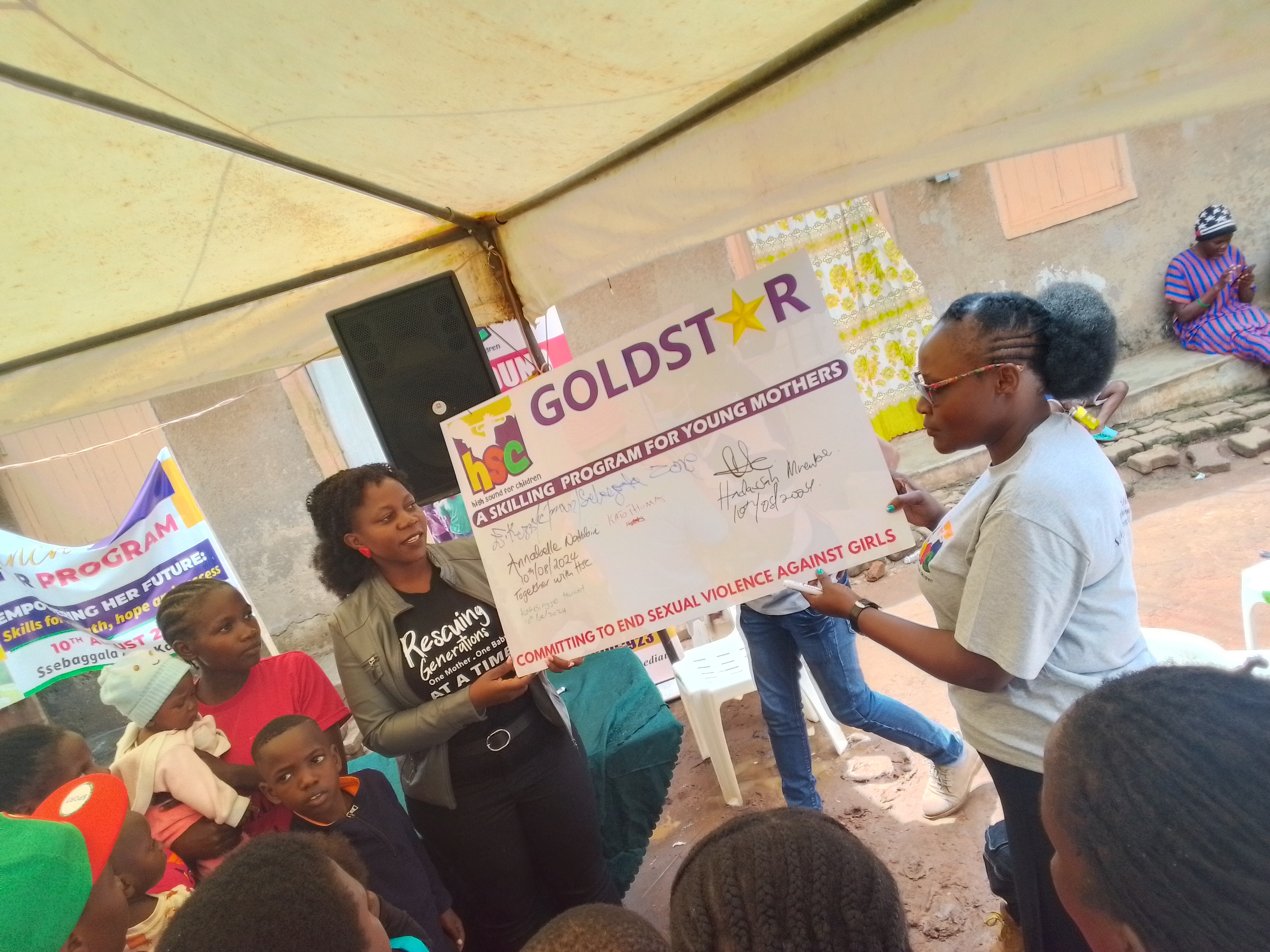
Ms. Hadijah Mwanje, Founder of High Sound for children, rallied the community to join efforts in protecting the Girl Child. “We continue to call upon leaders and the community to focus on ending sexual violence against boys and girls. Each case of a young mother is a result of sexual violence,” she emphasized.
The program, which began with 50 teenage mothers in Ssebaggala Zone, Kawempe, aims to equip them with skills for sustainable incomes and better lives. As part of its 5th-anniversary celebrations, High Sound for Children also partnered with Watoto Church Community Cell in a community cleaning activity in Ssebaggala Zone. The event was attended by community leaders, beneficiaries, and their parents.