
Ugandan children have been sensitized on parliament business with a call for them to pick interest in following events in the Ugandan parliament because decisions made impact on their lives.
The training organized by Uganda Child Rights NGO Network and Southern African Parliamentary trust (SAPST) brought together 15 children leaders who will go back and engage more children on the same.
Gender and public policy specialist, Natasha Ntini says the training is aimed at promoting the participation of children in the business of parliament.
“Children are key stakeholders in the running of the country and we believe they need to also understand how business runs in parliament as a law enacting body. We want to see enhanced knowledge on child participation and the role of parliament in the realization of children rights”. Natasha noted.

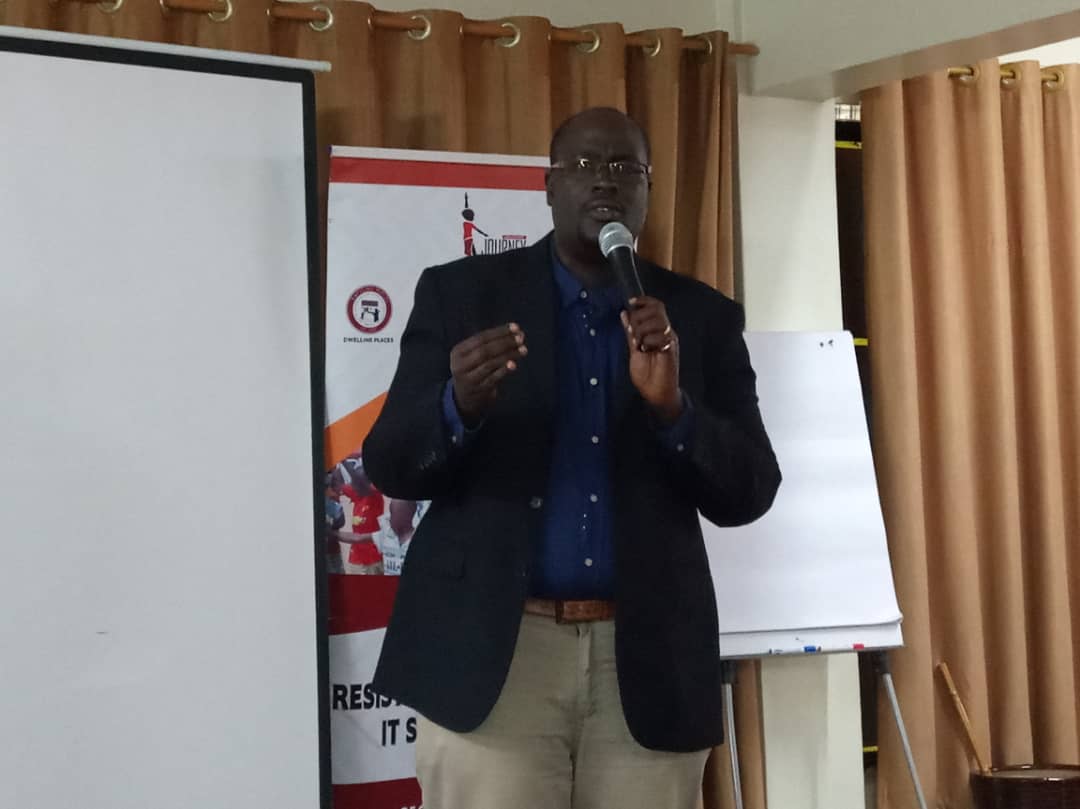
Executive Director, Uganda Child Rights NGO Network (UCRNN), Damon Wamara says the selected children are leaders in their schools and will disseminate the message to fellow children.
“We will have continuous engagements with the children as UNCRN through our member organizations to have all children sensitized on parliament business because it is important that the children not only know what is happening in parliament but also have their views carried”. Mr. Wamara said.
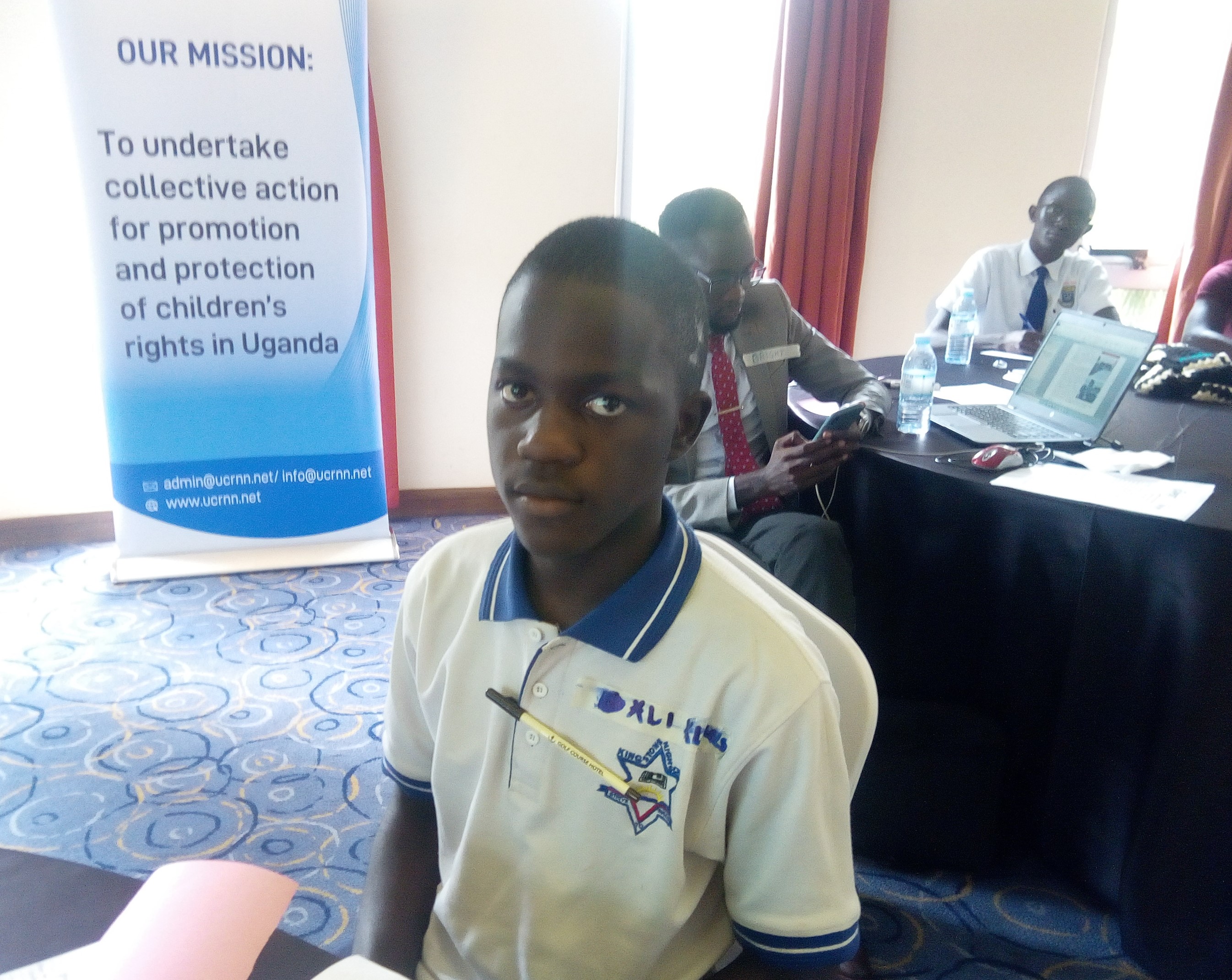
One of the child leaders trained from High Sound for children Media club at Kingstone High School, Ali Kiggundu says through the training, he has been able to learn about his rights.
“We have been taken through the African charter on the rights and welfare of the child and I now know about the best interest of the child and that my voice should be listened to by parliamentarians”. 14 years old Ali Kiggundu emphasized.
The southern African Parliamentary Support Trust are promoting CSO and children’s engagement with parliaments through creation and strengthening of viable and sustainable platforms where they can effectively advocate and influence policies, legislation and child friendly national budgets in East and Southern Africa. The year 2022 is dedicated towards learning and better understanding the national and regional contexts through participatory processes that involve co-creating, co-planning and co-designing of interventions with the stakeholders.